A wide shot and a close-up
Photograph the whole plant, affected areas up close and any signs of damage. Add when the problem began and how you care for it.
Online advice · garden, home or greenhouse
Chewed leaves, spots, drooping flowers or a plant that seems ready to give up? Before you send it to the compost, let’s find out what’s going on. Timely advice may help save even a plant that is being a little dramatic.
Book an online consultation
How a consultation works
The consultation takes place online. Good photographs and a clear description help narrow down the possibilities; during the call, we fill in what a photo cannot show.
Photograph the whole plant, affected areas up close and any signs of damage. Add when the problem began and how you care for it.
I review the photos and prepare questions. During our call, we clarify missing details and the conditions in which the plant is growing.
I explain the likely cause and suggest care and suitable protection. Depending on the situation, that may mean changing conditions, a mechanical measure or biological protection.
A plant doesn’t have to go straight to the compost. Don’t wait until one spotted leaf turns into a ten-part detective series. An early consultation can help you choose the right next step.
Care based on the cause
First, we work out whether the plant is struggling with its growing conditions, a disease or a pest. Then we can choose a sensible response.
For physiological problems, we can adjust the care routine to suit the plant, its location and the symptoms you are seeing.
I look for an effective, proportionate response. Where suitable, we start with mechanical and biological protection. I collaborate with Biocont on biological protection.
If needed, we can also put together a longer-term protection plan, so care does not stop after the first intervention.
Case examples
Ten practical examples show how similar symptoms can have different causes. These photographs are an orientation only; the right response depends on the plant, extent of damage and growing conditions.
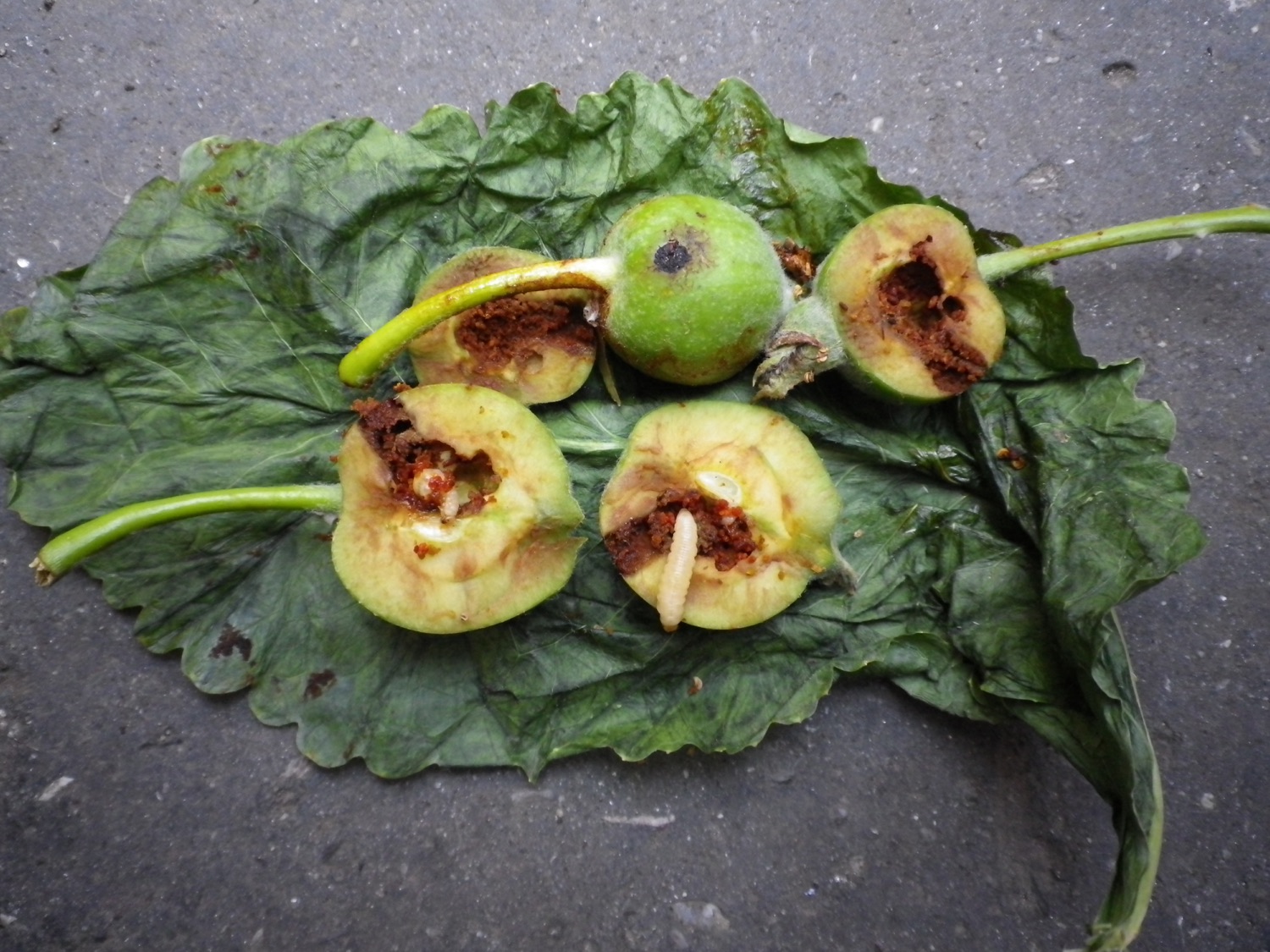
Cydia pomonella
Collect and remove damaged fruit; monitor adult activity with pheromone traps. Time any biological control to monitoring results and current product authorisations.
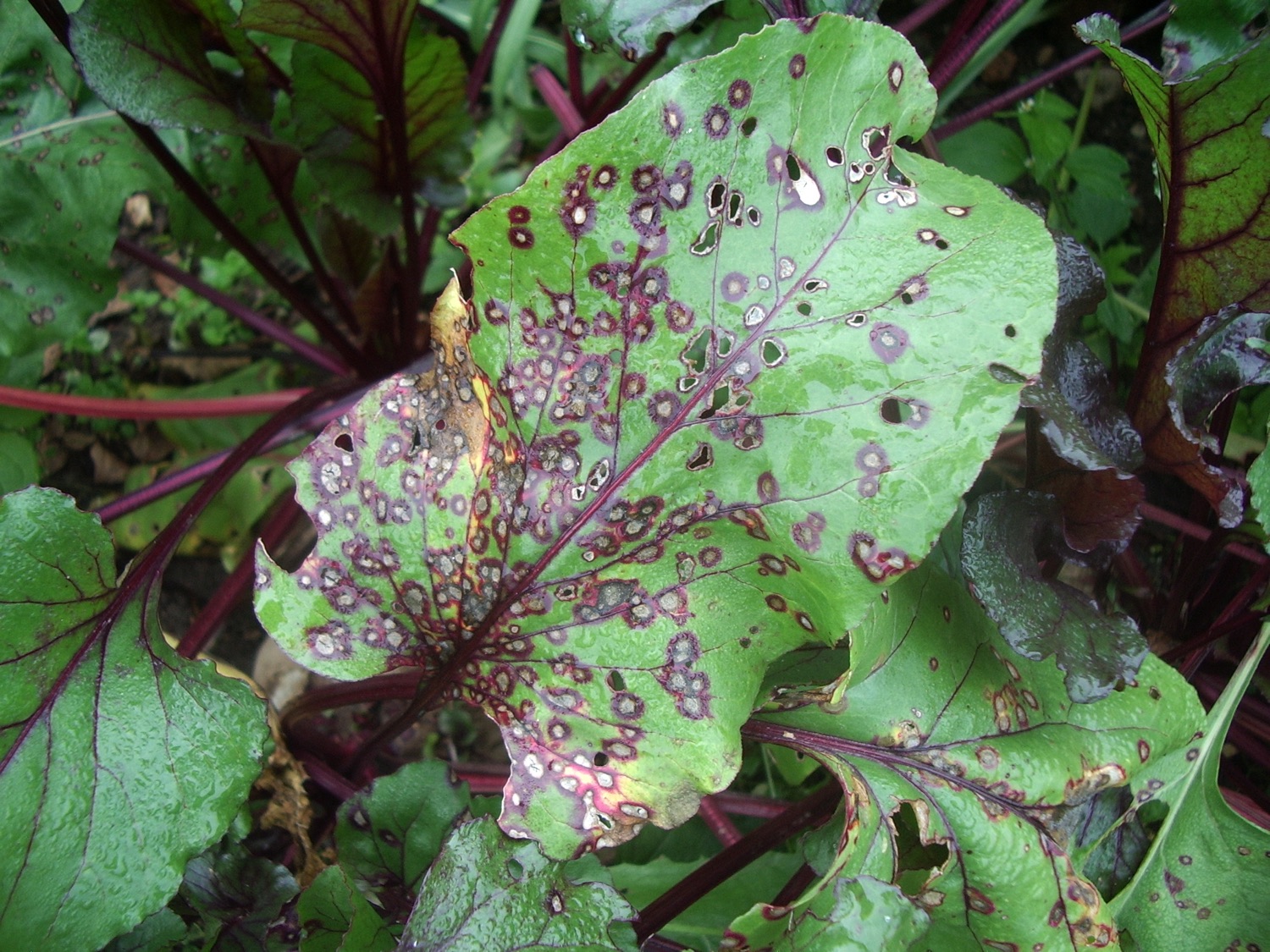
probably Cercospora beticola
Remove infected plant debris and avoid prolonged leaf wetness. Confirm the cause before targeted protection; suitable biological options depend on crop and conditions.
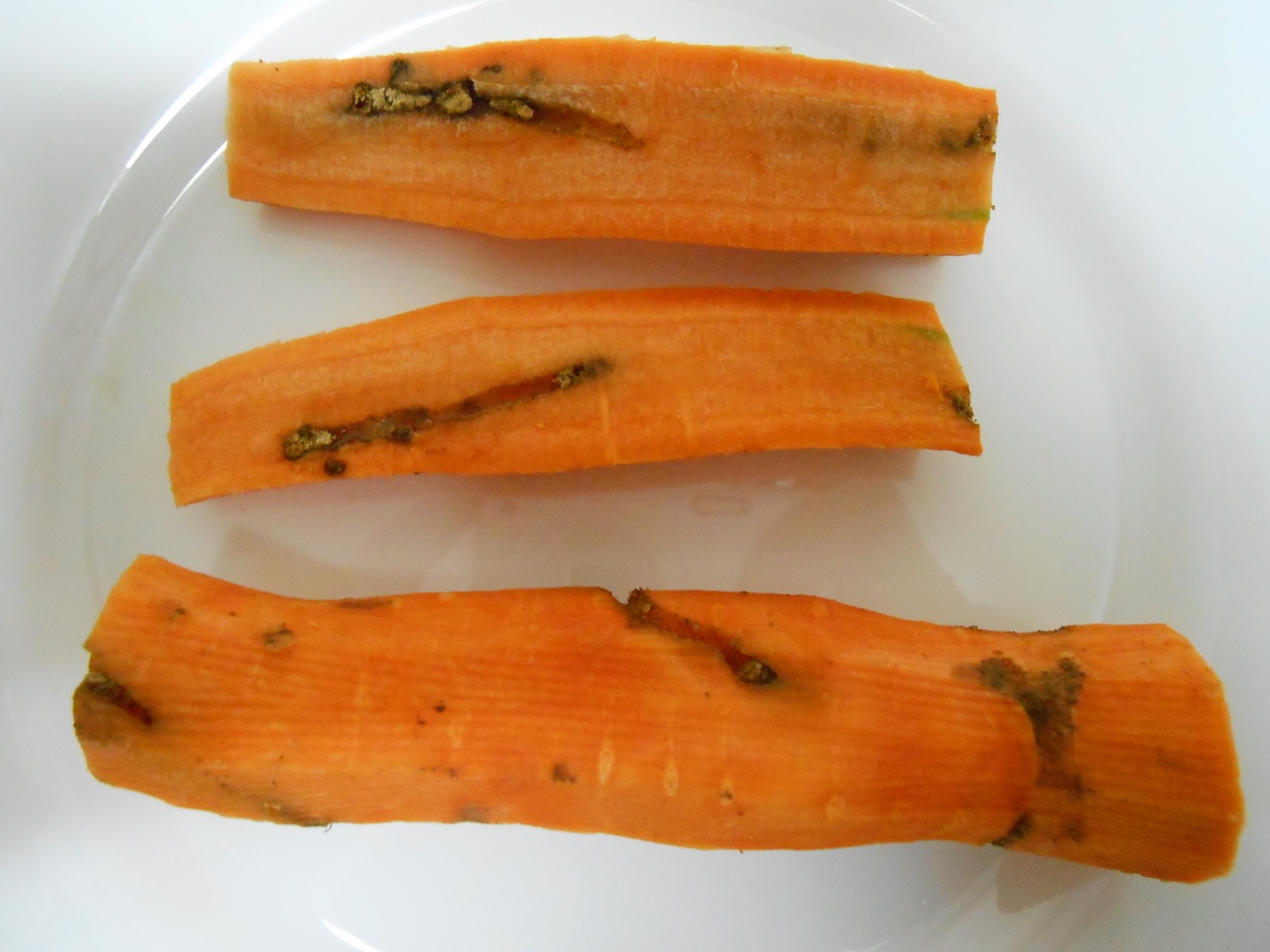
Chamaepsila rosae
Harvest and remove affected roots. For the next crop, rotate the growing site and consider insect-proof netting. Choose biological measures only after confirming the pest.
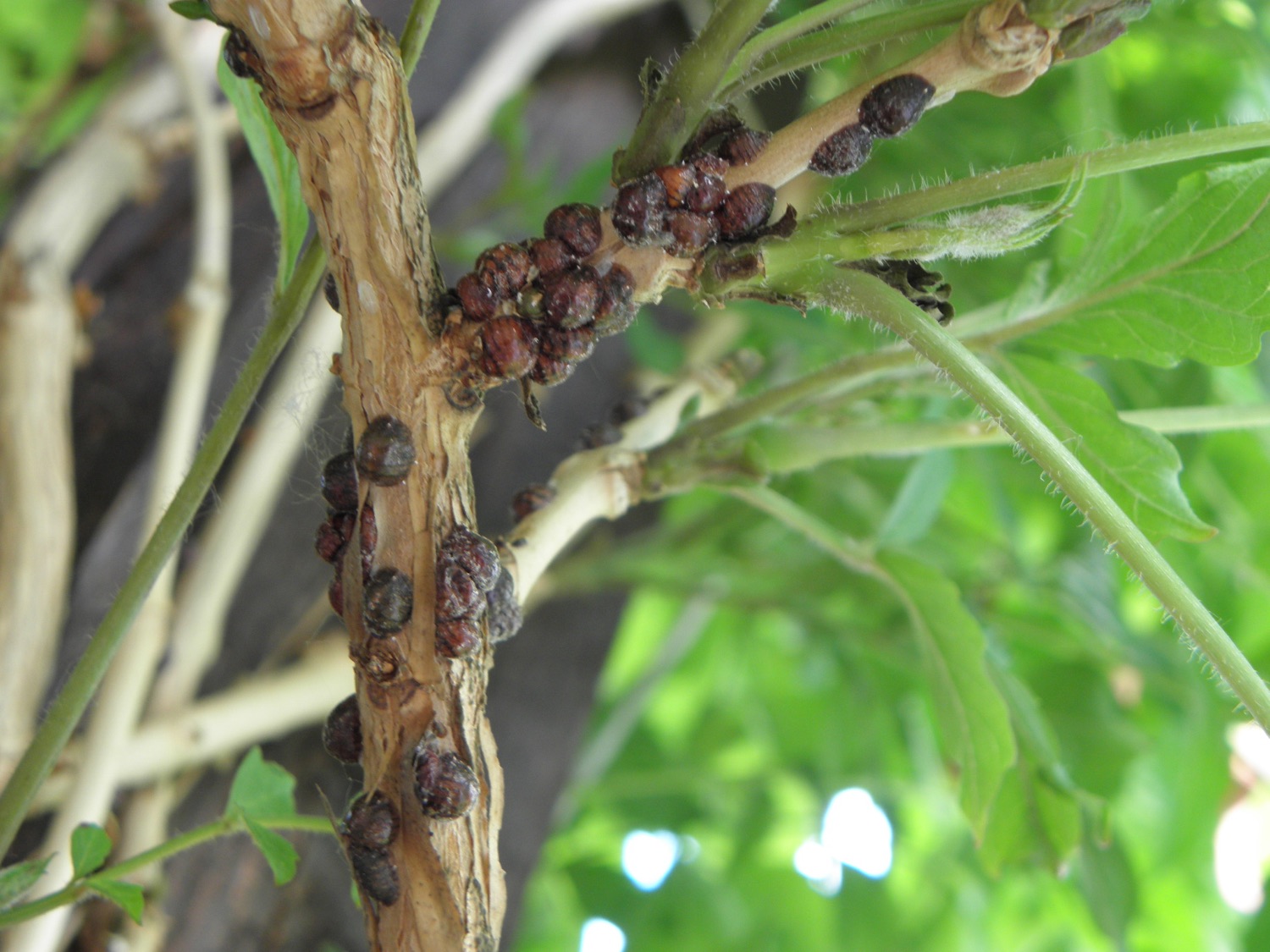
Coccidae family · species cannot be confirmed from this photo
First identify the scale and assess its extent. For a small infestation, mechanical removal and checking nearby plants can help; biological control depends on the exact species.
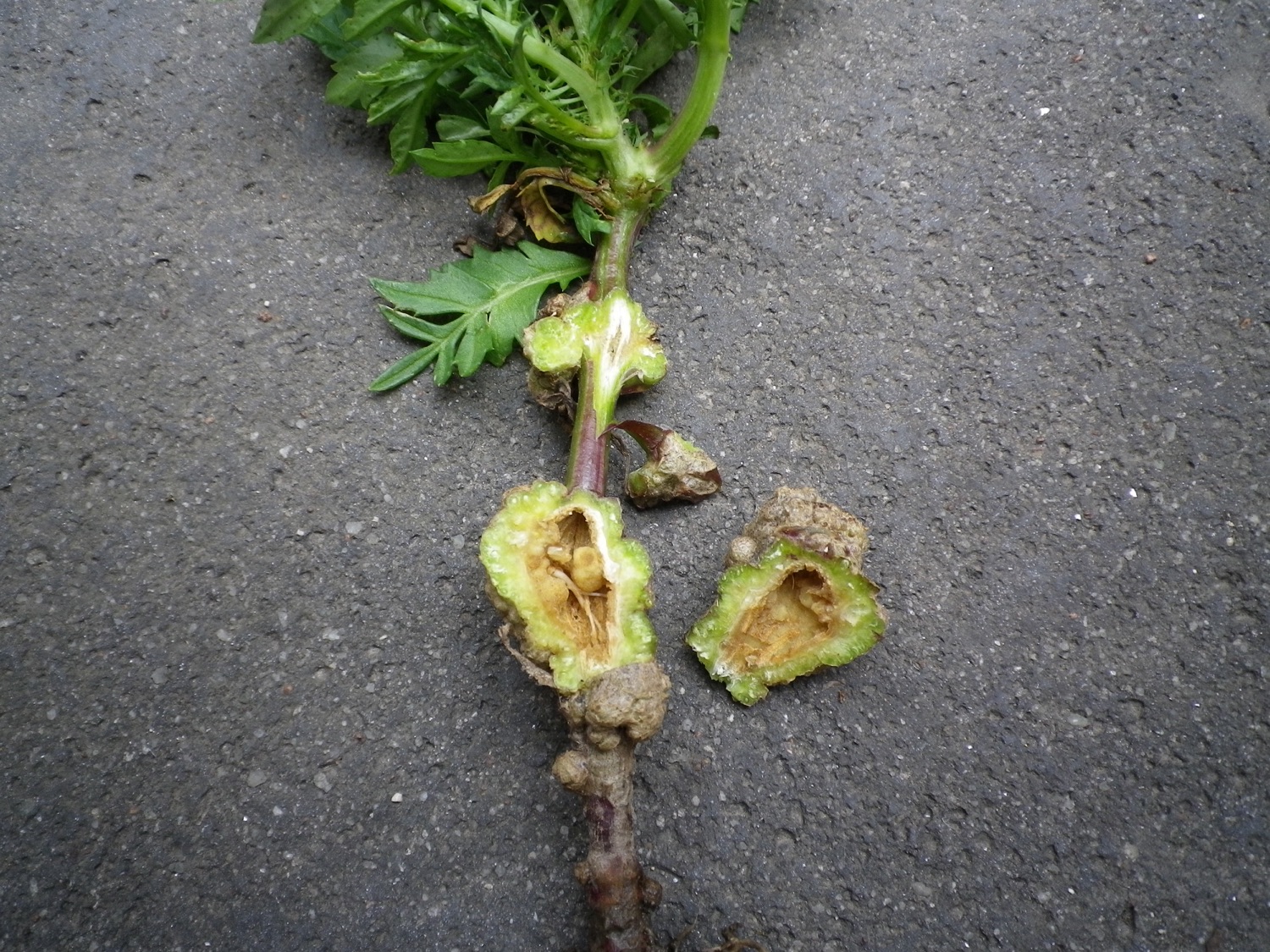
probably Ceutorhynchus pleurostigma
Swelling at the root collar can have more than one cause. Lift the plant with its roots and inspect for larvae; remove affected plants and adjust crop rotation.
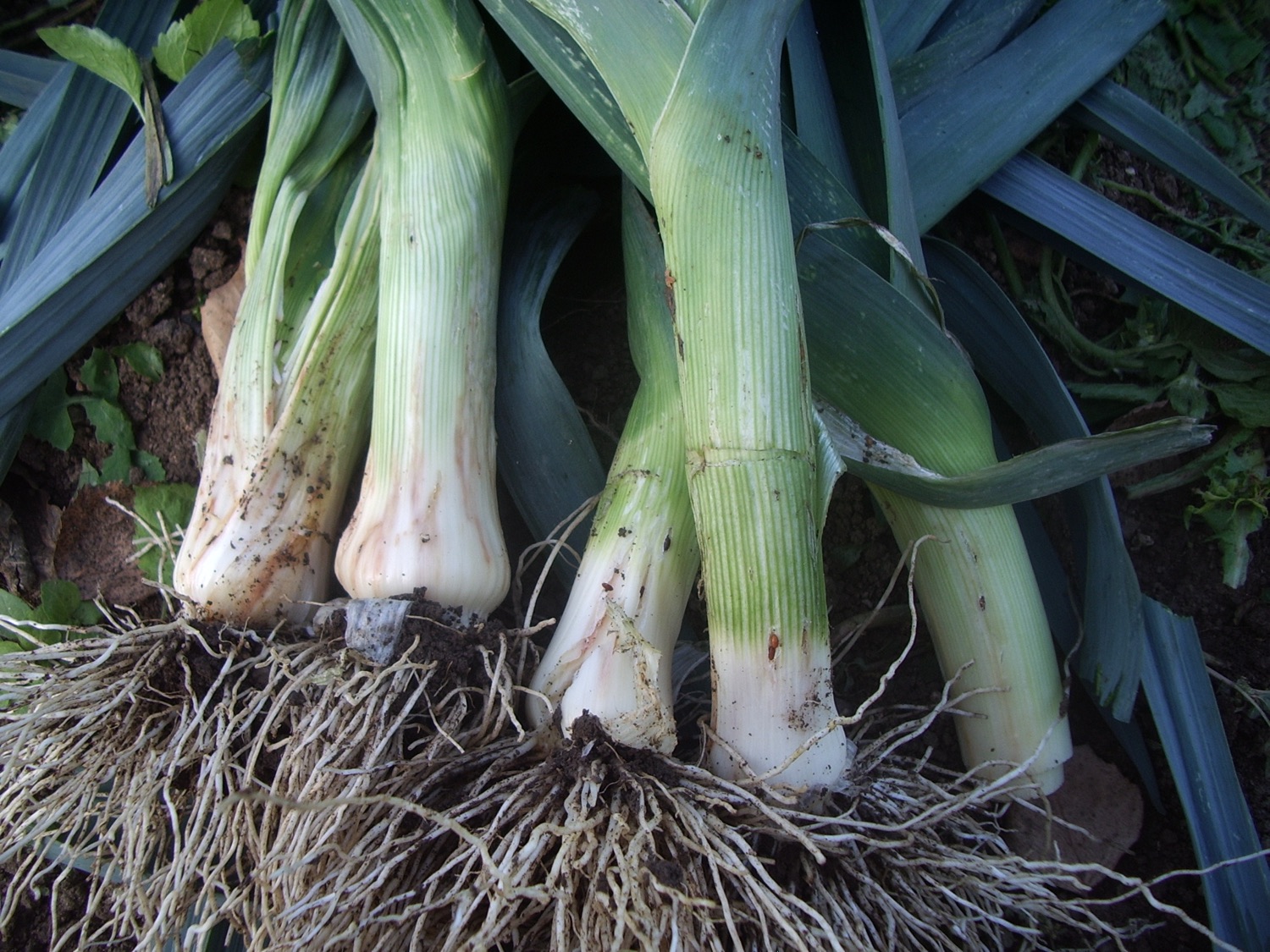
Phytomyza gymnostoma
Remove and dispose of damaged leaves rather than composting them. Insect-proof netting works best before adult flies arrive; confirm the pest before choosing any further measures.
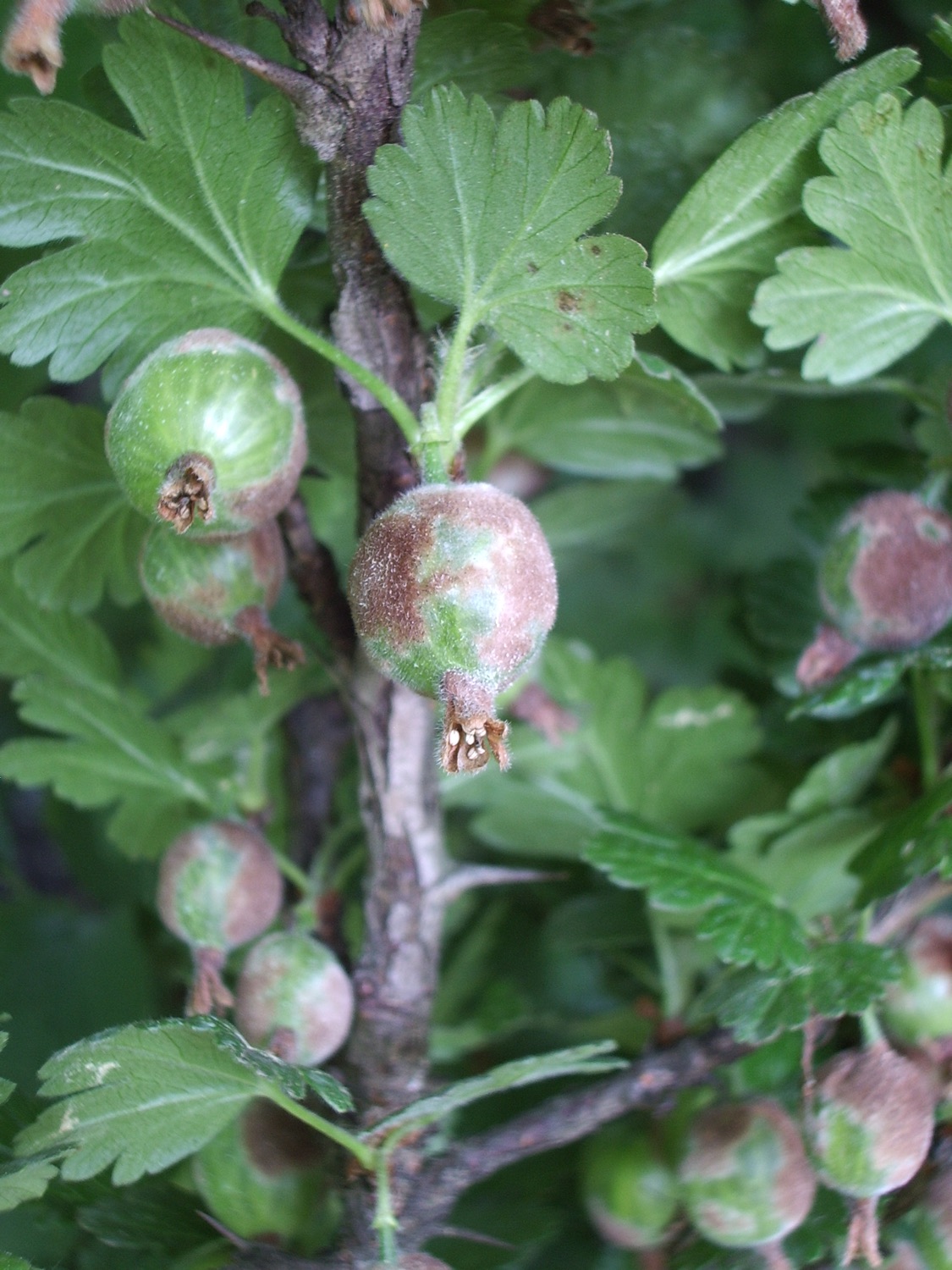
Podosphaera mors-uvae
Remove infected shoot tips and fruit, and keep the bush open to improve airflow. If biological protection is suitable, timing should be preventative and season-specific.
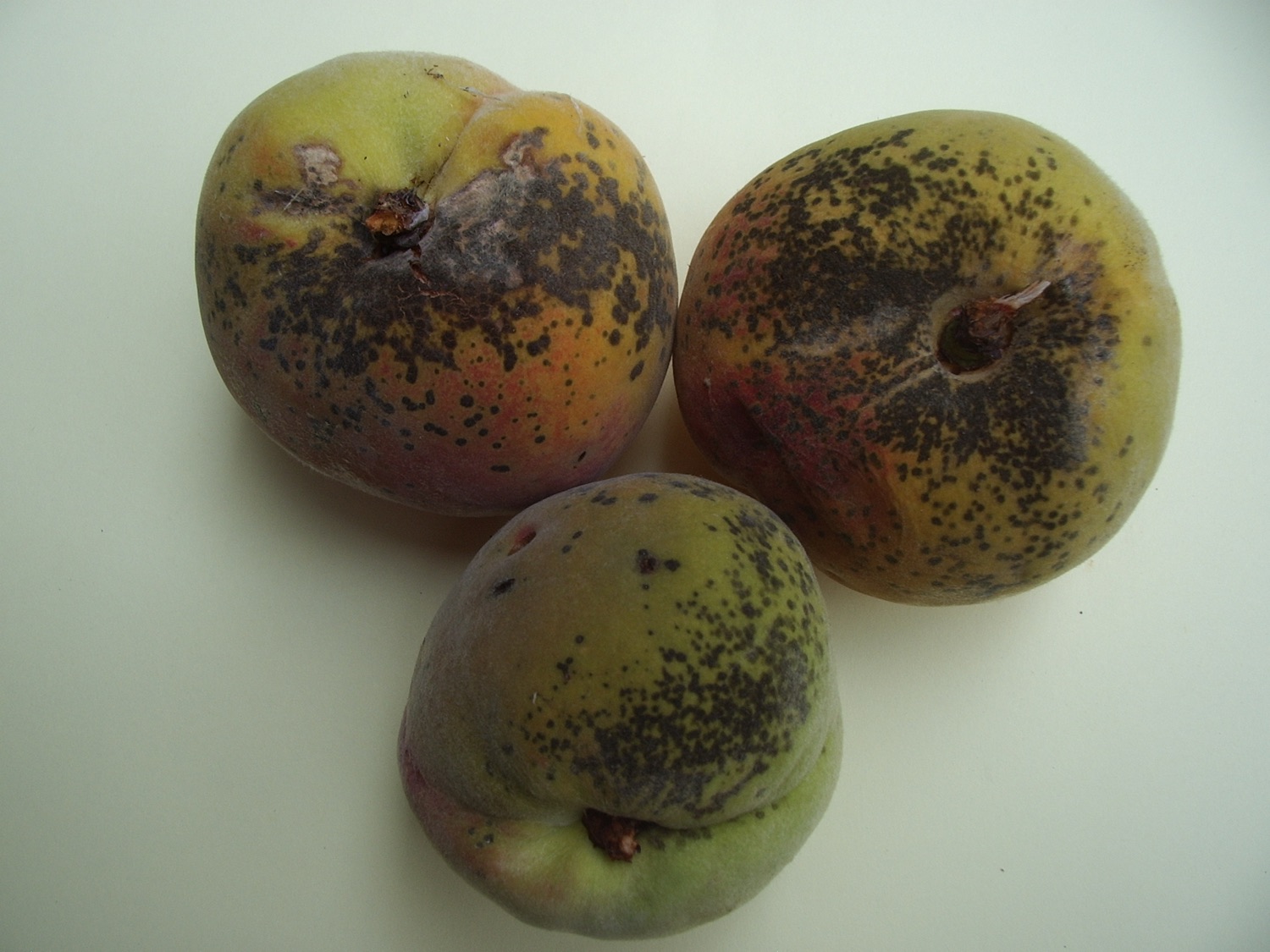
Venturia carpophila
Remove affected fruit and keep the canopy open. Confirm the diagnosis before choosing protection, taking account of timing, weather and what is authorised for the crop.
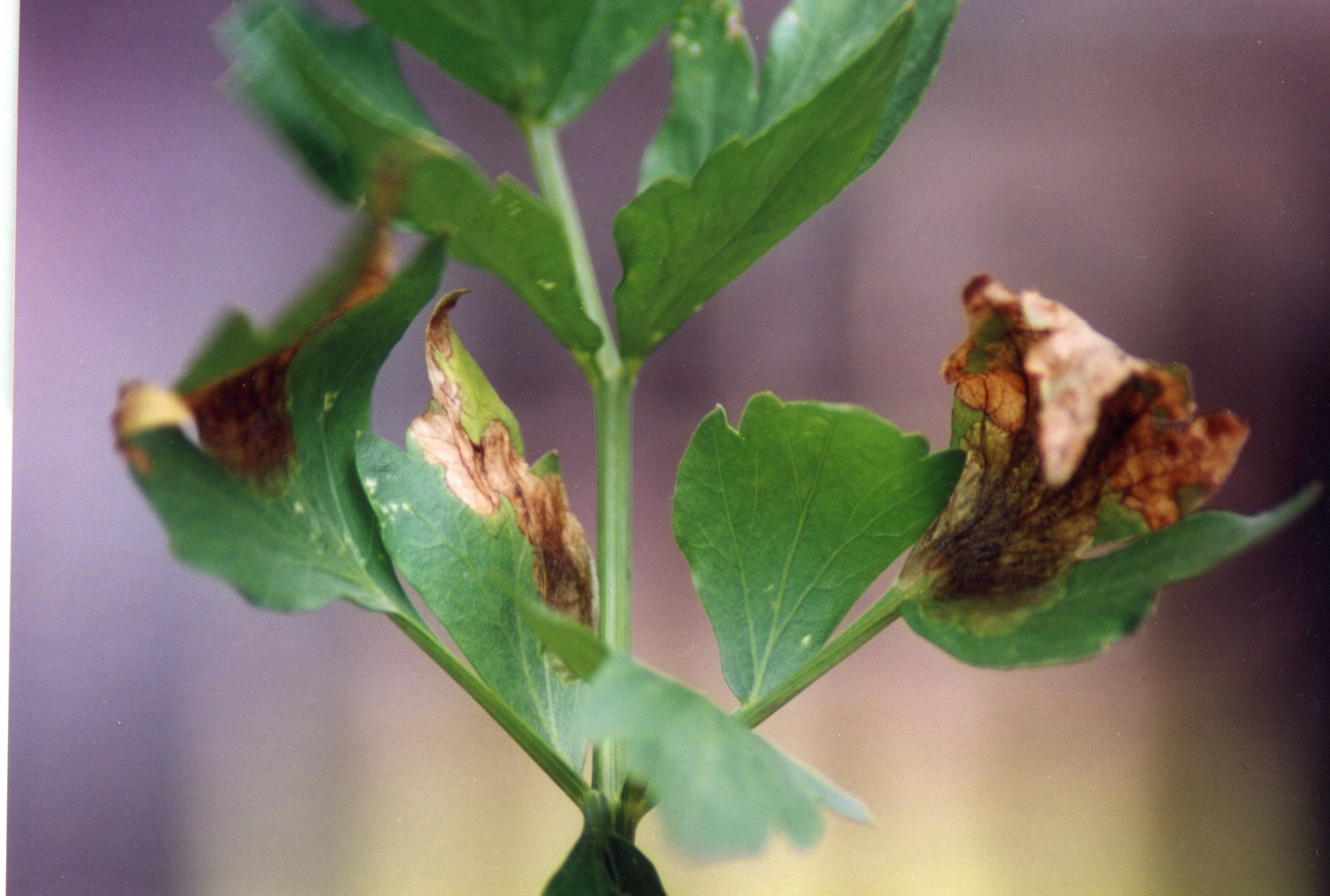
Euleia heraclei
Remove mined leaves and check for new damage. Netting can help in small plantings; choose further measures according to pest activity and its development stage.
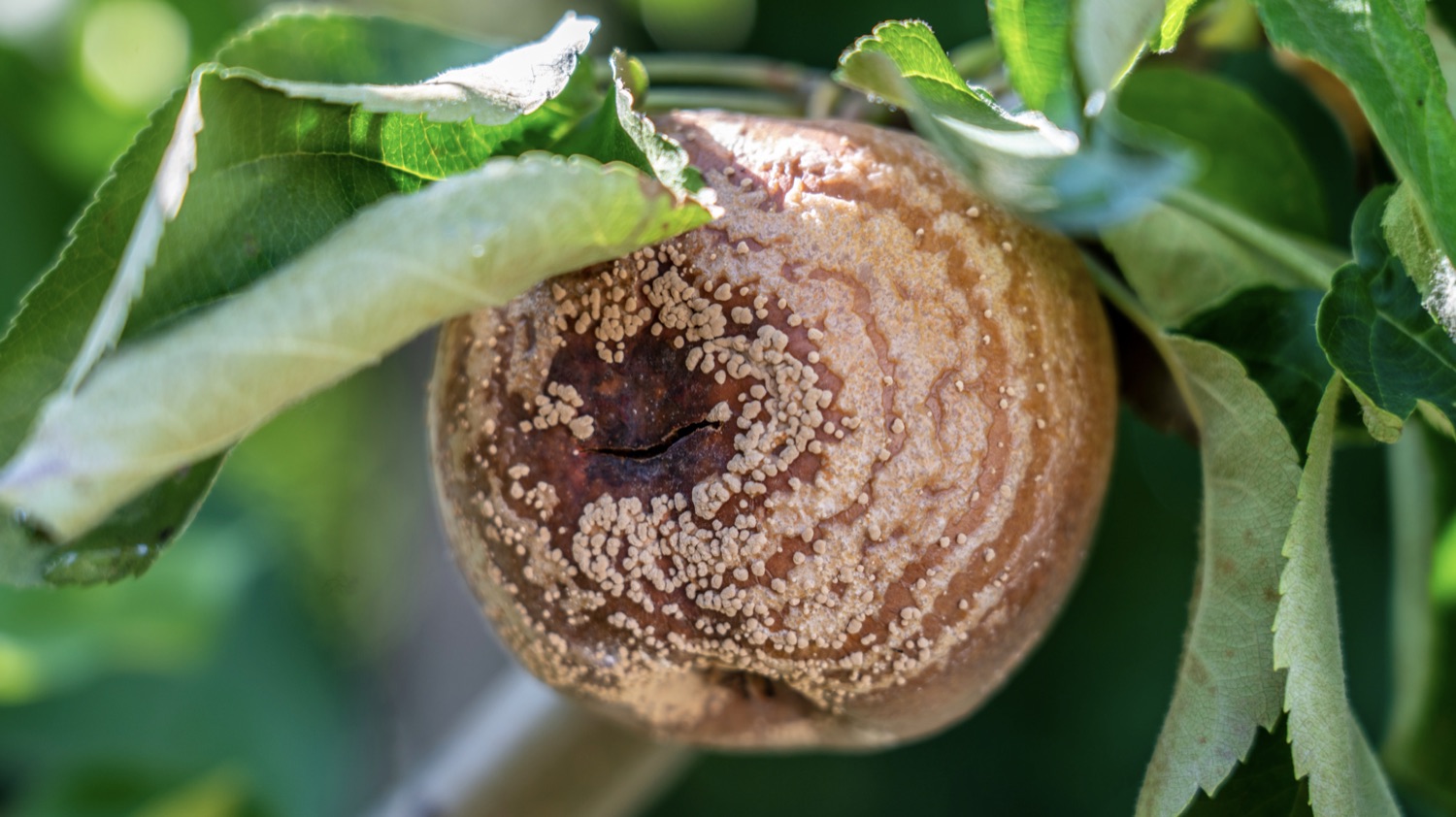
Monilinia spp.
Remove affected fruit from the tree and ground so it does not remain as a source of infection. Limit fruit injuries and adapt further steps to the confirmed species and season.
Identification from a single photo is indicative and does not replace case-specific assessment. Mechanical or biological protection should follow confirmation of the cause. Always check current authorisation and label instructions for the plant concerned. I collaborate with Biocont on biological plant protection.
Found a suspicious leaf?
Send a few photographs and a short description. We can decide whether an online consultation suits your situation.
Contact me